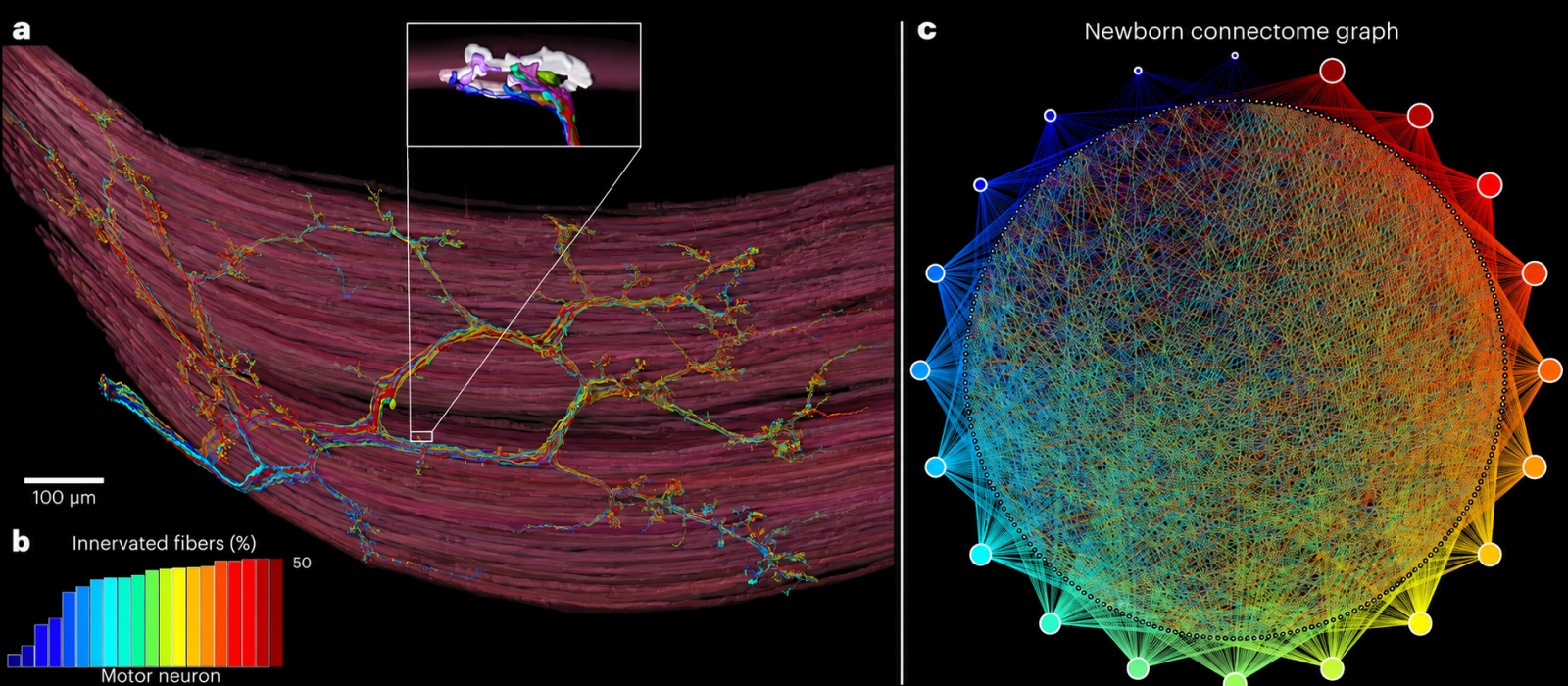
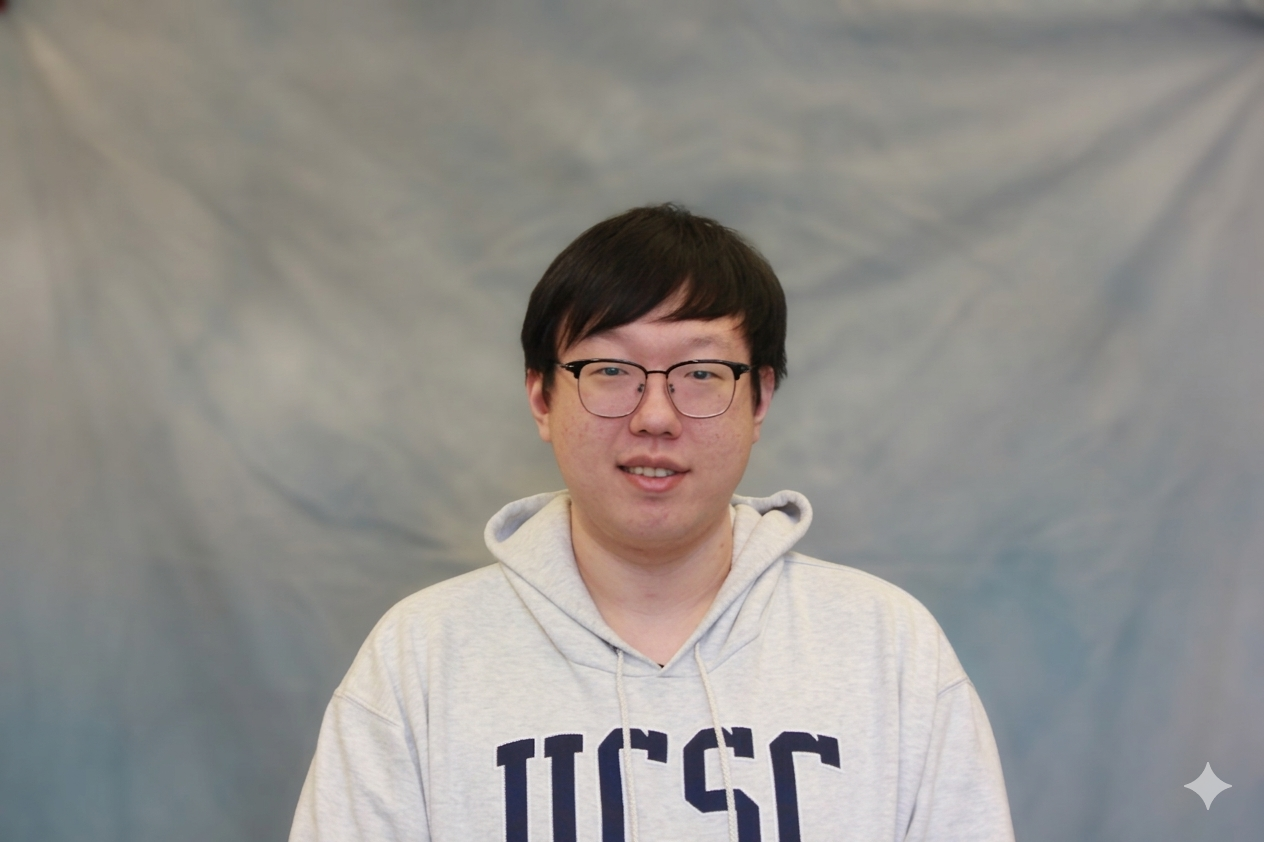
Our lab focuses on understanding how the brain alters its structure and function in learning, aging, and psychiatric disorders, across its organizational hierarchy from synapses to functional networks.
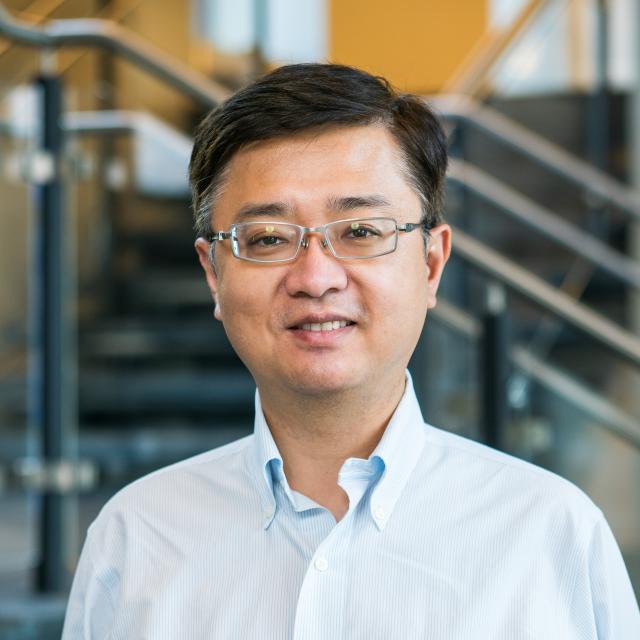
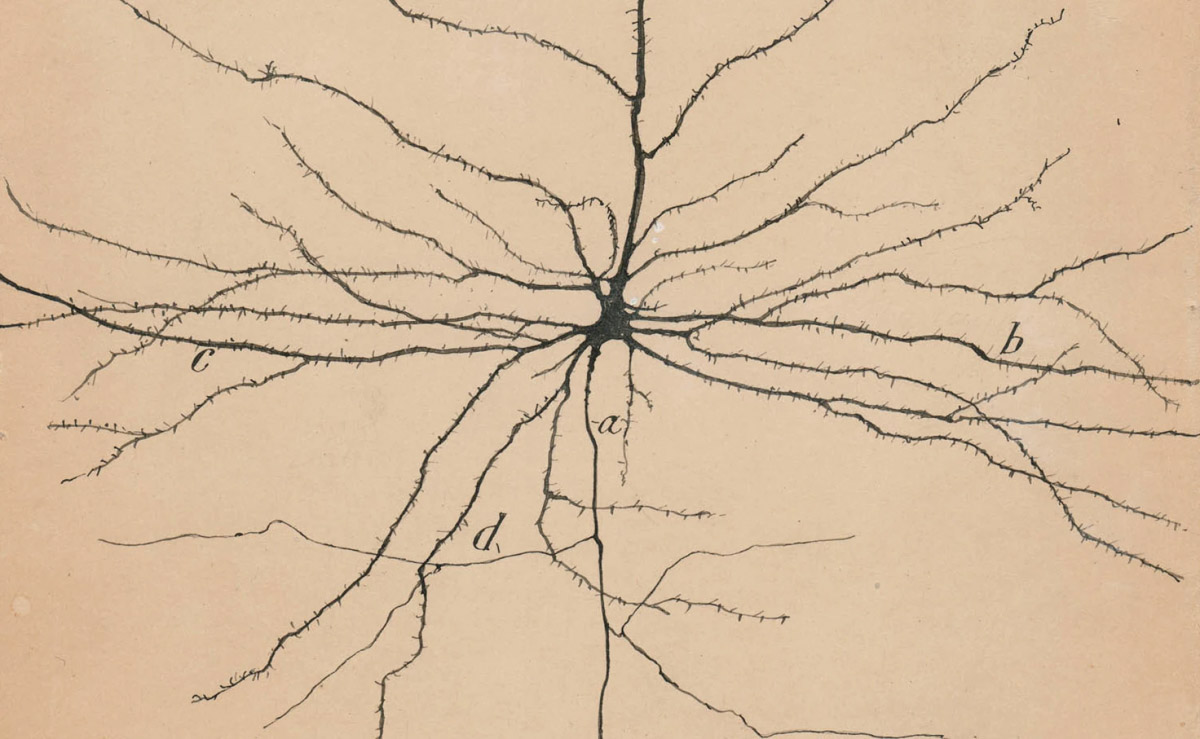
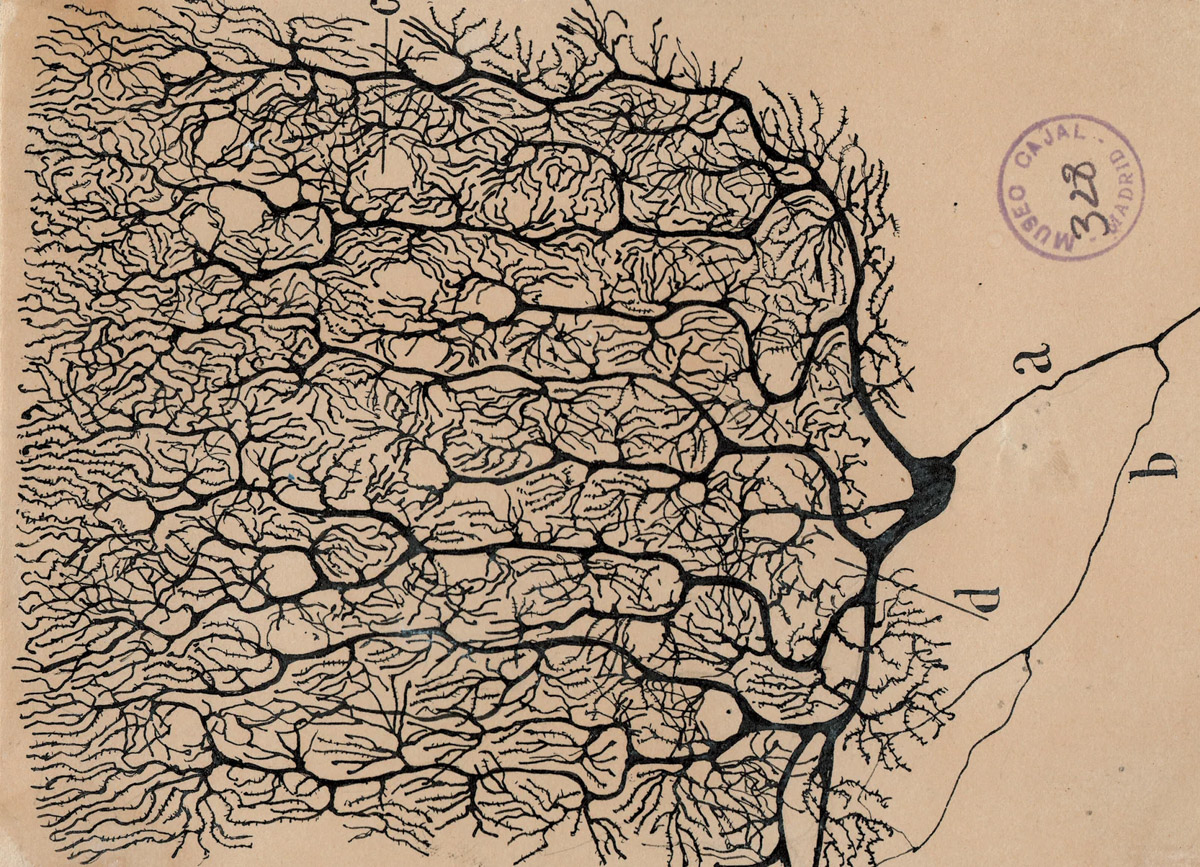
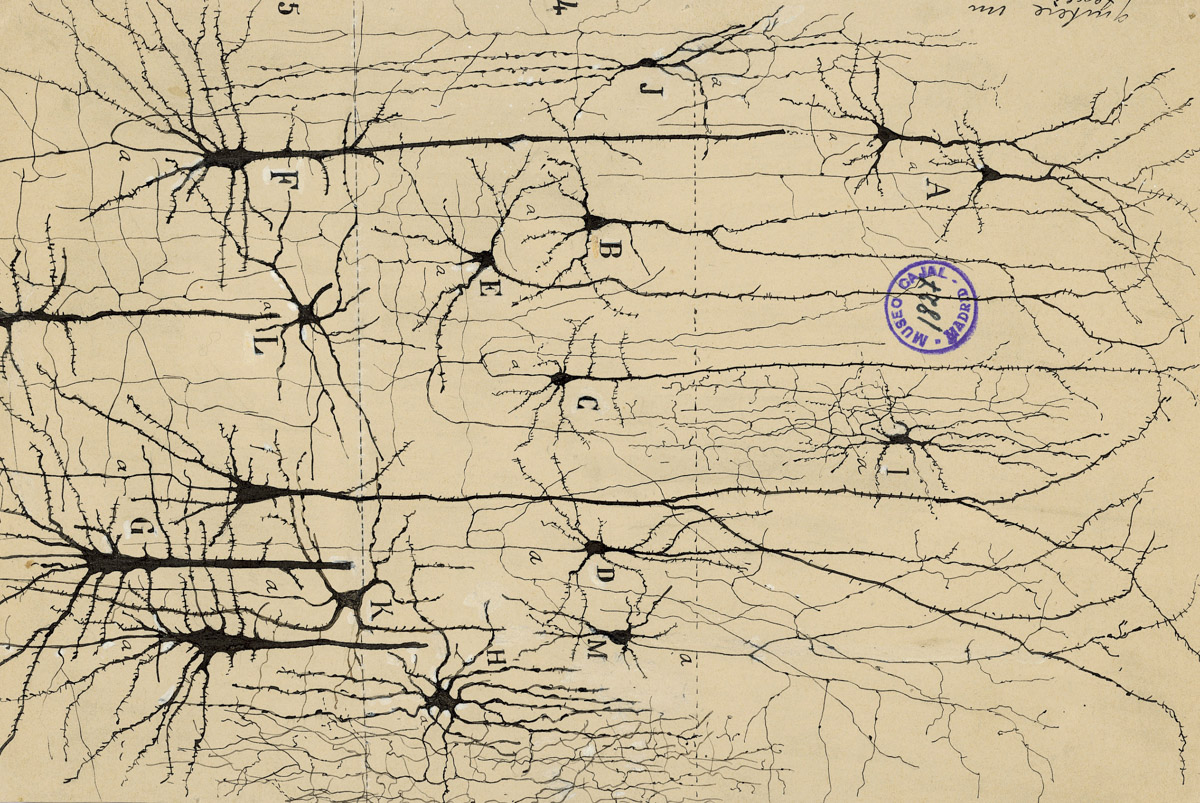
Our lab focuses on understanding how the brain alters its structure and function in learning, aging, and psychiatric disorders, across its organizational hierarchy from synapses to functional networks.
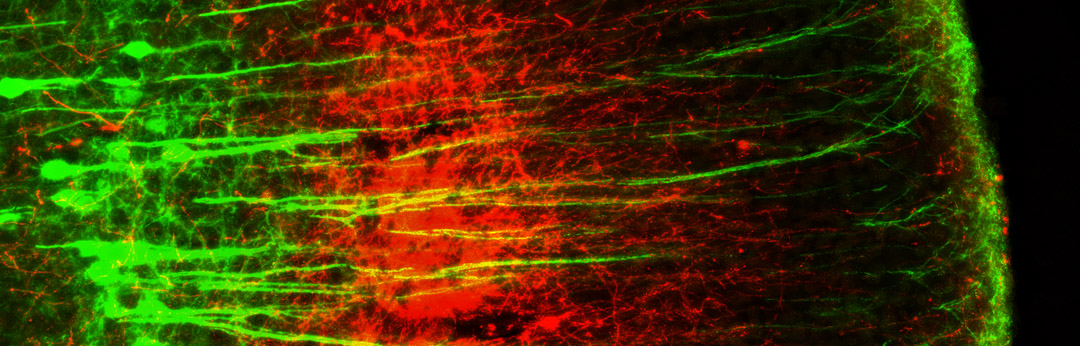
Investigating the intricate neural circuits that underlie complex behaviors, from sensory processing to decision-making. Our work combines advanced imaging techniques with electrophysiology to map neural activity in real-time.
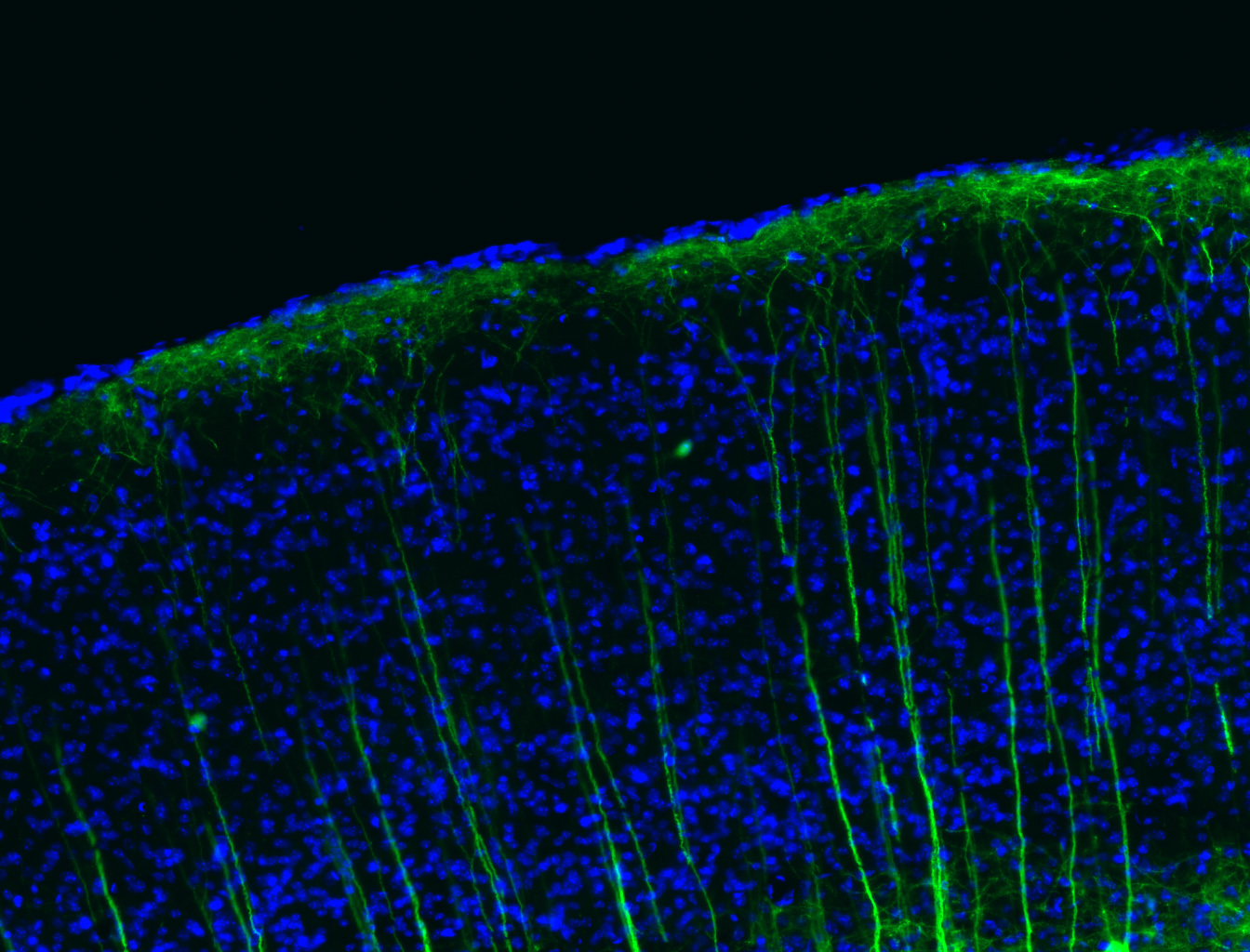
Developing computational models and leveraging artificial intelligence to understand brain function and dysfunction. We explore how neural networks learn, adapt, and process information, with implications for AI development and neurological disorders.
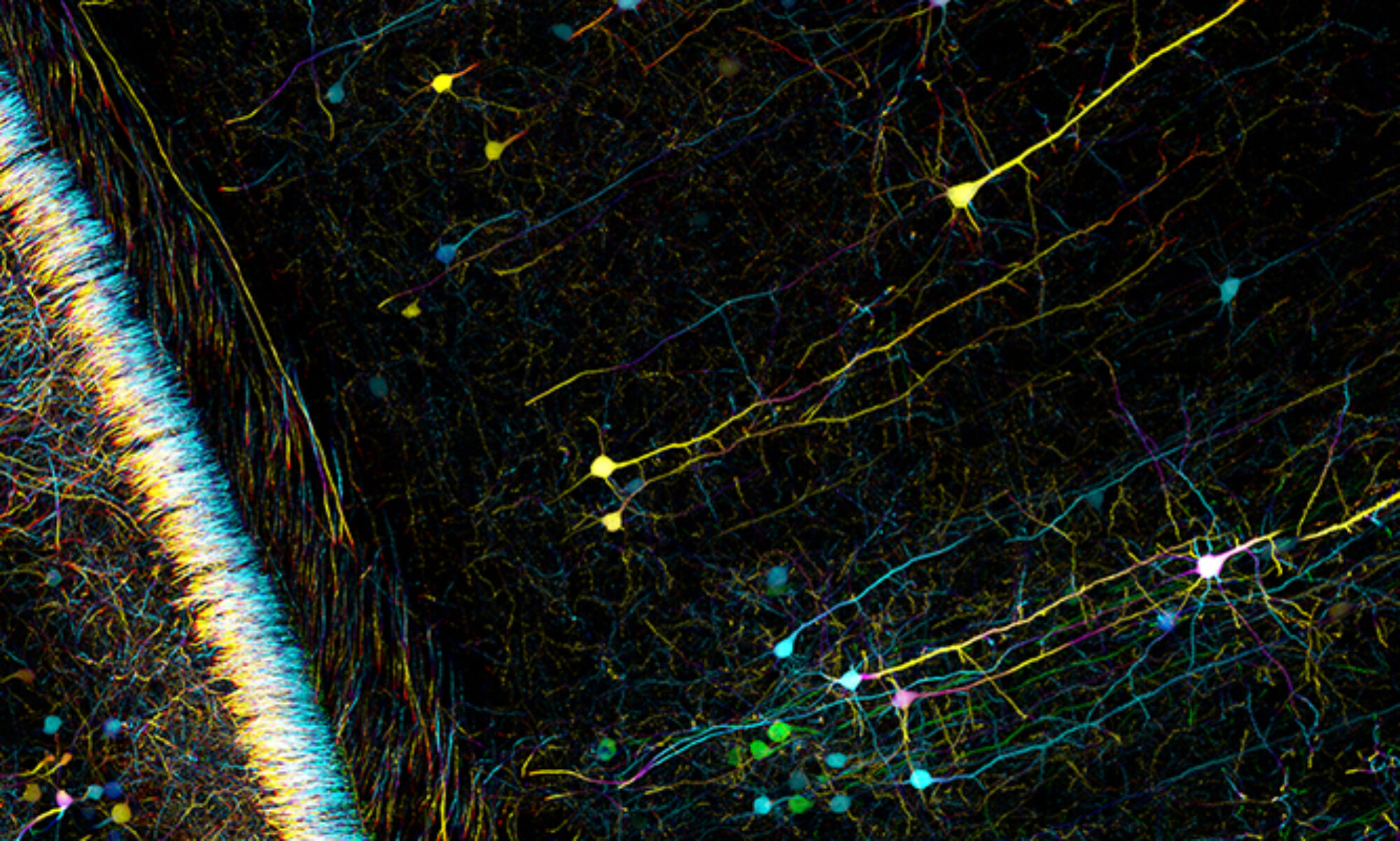
The nervous system comprises two broad classes of cells: neurons and glia. Neuroscientists once believed that only neurons were responsible for information processing, and glia were merely supportive. This dogma is now being challenged, as recent studies have shown that glia are integral to neuronal circuit reorganization and are implicated in many neuropathologies.
My early work explored the role of terminal Schwann cells in developing and aging neuromuscular junctions. Our recent work investigates the role of glia in excitatory synaptic transmission and structural plasticity. We showed the involvement of glial related signals in experience-dependent spine formation and stability. We also found that the expression of the Fragile X Mental Retardation Protein in astrocytes is necessary, but insufficient, for normal synaptic development and neuronal functions.
We are always looking for motivated undergraduate and graduate students, as well as postdoctoral researchers, to join our team. If you are passionate about neuroscience and interested in our research, please reach out!
Email Dr. Lu: